


gg777 | Exploring the World of Strategy Games: Engaging Minds and Test Tactics
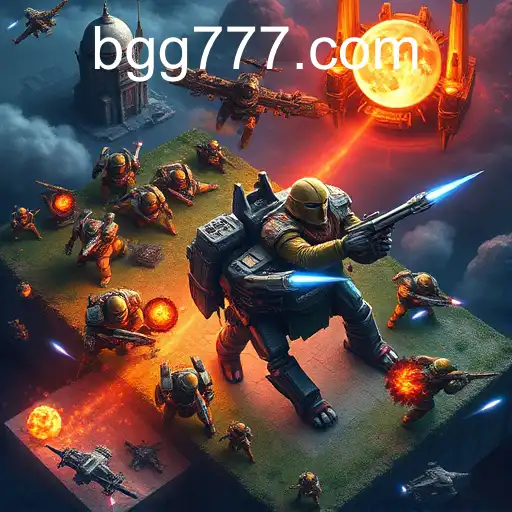
In the realm of digital entertainment, strategy games stand out as a genre that demands more than just quick reflexes or a knack for action. These games require players to engage deeply with complex systems, make strategic decisions, and exhibit foresight and adaptability. From ancient civilizations to futuristic battles, strategy games offer a wide array of themes and mechanics, appealing to gamers who relish the challenge of outthinking opponents and mastering intricate scenarios.
The allure of strategy games lies in their ability to mimic real-world decision-making processes. Players are tasked with managing resources, planning attacks, or building empires, often with limited information and against evolving threats. This demands careful consideration and strategic planning, making every move consequential. Whether in turn-based formats, where players can deliberate without time pressure, or in real-time settings that test players' reaction and adaptive thinking, strategy games provide a mental workout that is both thrilling and satisfying.
One key aspect that unites strategy games is the emphasis on player choice and consequence. In games like Civilization or Total War, players guide entire nations through history, shaping outcomes with each decision. Meanwhile, titles like StarCraft or Command & Conquer push players to manage resources efficiently while executing tactical maneuvers in real-time, often requiring keen multitasking skills.
The social dimension of strategy games also cannot be overlooked. Many titles offer robust multiplayer options, fostering competitive communities where players can test their skills against others worldwide. Games like Age of Empires and Dota 2 have thrived by building dedicated fan bases, supported by forums, tournaments, and live-streaming events. These platforms offer endless opportunities for strategic competition and collaboration, as players share insights and devise new tactics.
With technological advancements, the complexity and scope of strategy games continue to expand. Artificial intelligence-driven opponents, intricate world-building tools, and detailed historical or speculative scenarios all contribute to the genre's growth and evolution. As the gaming industry evolves, strategy games remain a cornerstone of innovation, offering players endless possibilities to explore new strategic paradigms.
In conclusion, strategy games are more than just a genre; they are a testament to human creativity and intellect. They challenge players to think critically, plan meticulously, and adapt swiftly, making them a perennial favorite amongst those who appreciate depth and complexity in their gaming experiences. Whether you are a seasoned strategist or new to the genre, there's always a new frontier to explore in the world of strategy games.
